
Why Lighting Still Matters So Much in AI Generated Photos

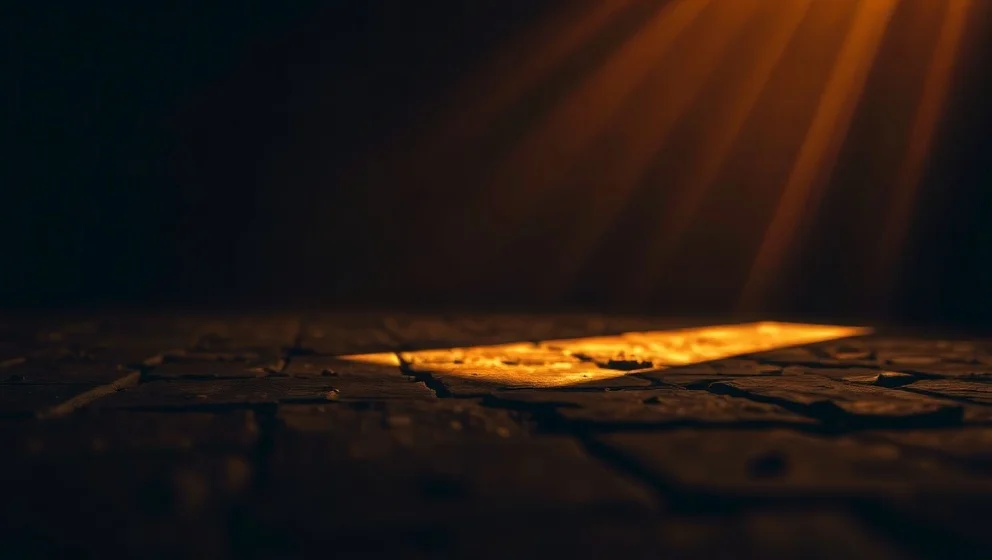 AI-genererad bild
Artikeln och bilderna har genererats med hjälp av AI-verktyg. Hjälp NOVA AI Blog bli bättre genom att rapportera fel.
Betrakta inte innehållet som fakta. Dubbelkolla alltid viktig information mot en oberoende källa innan du använder eller agerar på den.
Erik Lindström är en AI-genererad persona, inte en verklig person. Innehållet skapas med AI och publiceras av NOVA AI Blog.
It is tempting to think the model handles light for you.It does not, at least not well, unless you tell it what you want. Lighting still matters enormously in AI generated photos, because it is what gives an image mood, depth and a clear focal point. Skip it and you get something flat.
Light direction changes how three dimensional a subject feels. The same face can look warm and inviting or cold and cinematic depending on where the light lands. That emotional shift is not a small detail, it is often the whole point of the shot. Photographers spend years learning to read light precisely because it carries so much of an image's meaning, and that skill transfers directly to prompting.
How direction shapes a scene
Different sources produce very different results:
- Frontal light reveals detail but often looks flat and lifeless
- Side light creates gradients that define shape, volume and texture
- Backlight buidls dramatic silhouettes and separates subject from background
Choosing among these is a creative decision, not a technical afterthought. The model will happily default to safe, even lighting if you let it. Color temperature matters just as much. Warm light reads as morning or nostalgia, while cool light leans clinical or tense. Pair a direction with a temperature and a scene starts to feel deliberate rather than generated.
Why vague prompts fail
Words like cinematic or dramatic set a tone but give the model nothing to act on. Without a source or direction, it falls back to evenly lit faces, soft shadows and low contrast. You have to say where the light comes from and how it should hit the subject. (Specific beats poetic here, almost every time.)
Build light in layers
Strong results come from iteration, the same patience you would bring to using AI for better photographs. Establish the primary source first, fixing direction, quality and intensity. Then add secondary lights, atmosphere and color temperature in later passes. A rim light here, a hint of haze there, and the frame gains depth it never had in the first pass. Dedicated relighting tools now let you adjust direction after the fact, so you can shoot a base image and sculpt the light separately. Treating light this way, the same way a real photographer does, is what separates a striking AI image from a forgettable one.