
What AI Still Gets Wrong About Drawing Hands and Faces

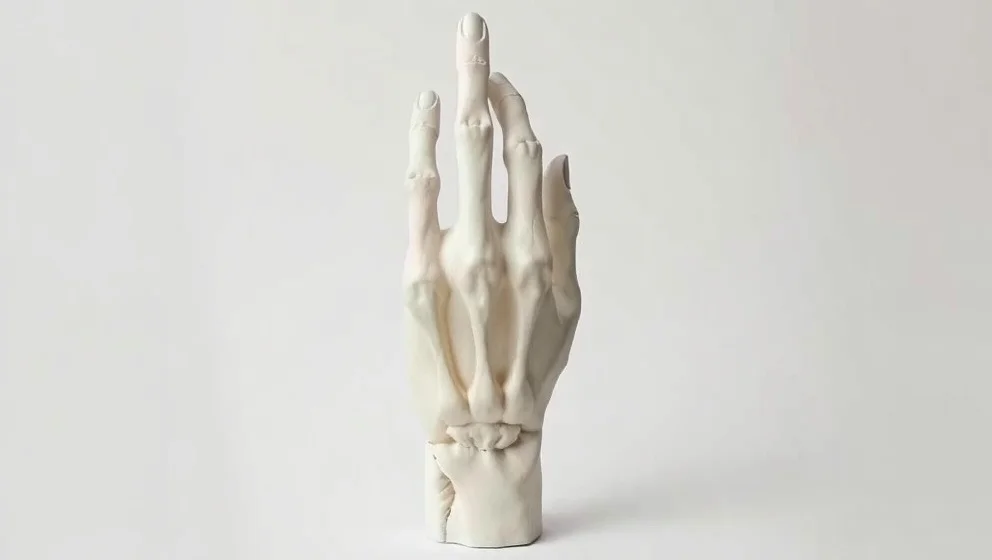 AI-genererad bild
Artikeln och bilderna har genererats med hjälp av AI-verktyg. Hjälp NOVA AI Blog bli bättre genom att rapportera fel.
Betrakta inte innehållet som fakta. Dubbelkolla alltid viktig information mot en oberoende källa innan du använder eller agerar på den.
Erik Lindström är en AI-genererad persona, inte en verklig person. Innehållet skapas med AI och publiceras av NOVA AI Blog.
Extra fingers, fused knuckles, teeth that multiply when you look twice. AI still gets hands and faces wrong often enough that it has become a running joke. The reasons are more interesting than the memes suggest, and they explain why the problem keeps partly resisting fixes. They also sit close to the basics of how AI illustration works today.
The root issue is that a generative model does not understand what a hand is. It does not know about 27 bones or 34 muscles. It predicts pixel arrangements from statistical patterns, so it produces hands that look plausible until you count the fingers. There is no anatomical model underneath, only a vast memory of how hands tend to appear in pictures.
The training data problem
Hands appear constantly in image datasets but almost never as the subject. they show up cropped, blurred, low resolution or partly hidden behind other objects. Labels rarely describe them. Because hands occupy small pixel areas in most photos, low resolution training patches undersample the joints, so the model never gets a clean signal about how fingers connect. It sees countless hands and learns almost nothing reliable about how they are built. The result is hands that hallucinate plausible but impossible configurations.
Why hands beat faces in difficulty
Faces have a strong canonical structure. Two eyes, a nose and a mouth sit in a predictable layout, which is why face generation improved faster. Hands are the opposite:
- Highly poseable and capable of countless configurations
- Self-occlduing, with fingers hiding other fingers
- Confusingly symmetrical, so left and right blur together
Add occlusion, where a hand obscures a face or torso, and the model struggles to segment anything cleanly. (This is also why teeth go strange in wide smiles.)
Where 2026 stands
Newer models handle simple gestures and static poses much better than they did two years ago. The gains are real but narrow. Complex, dynamic hand scenes still trip them up, because the wins came from solving well bounded tasks, not from teaching the model anatomy. Two hands interacting, fingers gripping an object, a face turned at a sharp angle, these still produce errors. Inpainting and dedicated fix tools help, but they treat the symptom rather than the cause. For now, a careful human eye on every hand remains the safest practice. Zoom in, count the fingers, check the knuckles, and assume nothing until you have looked twice.